Missed balayage: a hairdresser’s advice on how to make up for color and restore a natural fade
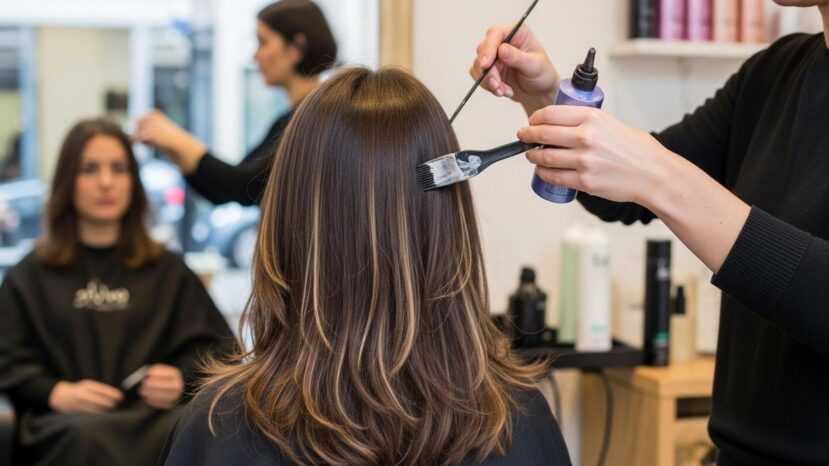


Failed hair coloring can quickly turn into a hair nightmare. Overly pronounced highlights, orangey tones or too dark a tint: these incidents happen more often than you might think. But there are solutions to make up for it without further damaging the fiber.
When scanning turns to zebra effect: a familiar tale
It’s frustrating to leave a salon with a result that’s the antithesis of your expectations. Highlights that are too thin and marked are sometimes reminiscent of techniques used in the 2000s, far from the natural fade sought in 2026. Faced with this kind of disappointment, the temptation to correct your hair at home is strong.
A homemade patina can effectively soften visible contrasts. However, this emergency measure fades after a few shampoos. What’s more, it never replaces the expertise of a qualified professional.
Hair diagnosis is the first essential step before any intervention. An experienced hairdresser analyzes the hair’s history, condition and porosity. He then adapts his technique to avoid aggravating the situation.
“A good hairdresser is also someone who knows how to curb certain desires.
The technique for correcting an overly pronounced sweep
To break the barcode effect, experts recommend slightly widening existing highlights. This approach blends demarcations without starting from scratch. A patina applied immediately afterwards neutralizes unwanted highlights.
Freehand work, without aluminum, favors a more natural finish. This gentle method is more respectful of fibers already sensitized by initial bleaching. Peptide-based repair treatments complete the protocol.
- Carry out a complete diagnosis before any correction
- Extend strands to soften the zebra effect
- Apply a patina to neutralize warm highlights
- Prefer freehand work for natural fading
- Use repair products adapted to sensitized hair
Solutions for different types of hair loss
When color comes out too dark, several factors may be at play. Excessive application time or pigment overload often produce this “charcoal” effect. Kevin Jacotot, Global Creative Contributor at L’Oréal Professionnel, points out that adding green to neutralize orange can also darken hair by half a tone.
A purifying shampoo applied under cellophane will help the color to fade. On the other hand, buying color from a supermarket and correcting it yourself is the worst mistake, according to the professionals. This panic reaction usually makes the situation worse.
Hair that turns orange after bleaching reveals a lack of neutralization. All brunettes naturally have red pigments in the fiber. Specific shampoos like L’Oréal Pro’s Vitamino Color Spectrum range help maintain the balance.
The special case of green highlights
Blondes particularly dread this phenomenon as summer arrives. Chlorine from swimming pools turns porous hair green, especially fragile hair. Excessive ashy patinas are another frequent cause of this chromatic turn.
For brunettes wishing to lighten their lengths, caution is called for. A well-dosed gloss or patina effectively neutralizes warm highlights without creating an imbalance. The hairdresser adjusts the pigment proportions according to the natural base.
Why a professional can refuse a service
A test strand is essential when hair history is unknown. Home coloring, Brazilian straightening and old bleaching processes all modify the hair’s structure. Certain chemical reactions can literally break the fiber when a new procedure is performed.
Saying no to a client is sometimes the best service a hairdresser can provide. This decision protects the health of the hair and avoids irreversible damage. Trust is also built on this professional honesty.
On April 25 and 26, L’Oréal Professionnel’s Transformation Day brought together nearly 200 experts at the Palais de Tokyo in Paris. The event, dedicated to hair transformation, highlighted the importance of personalized diagnosis.
Behind every successful color is a mastered technical gesture. Professionals insist on taking the time to analyze each individual situation. A soft, luminous balayage is always the result of a customized approach, never a standardized technique.