
“I used to pay €50 for the same haircut as my €25 neighbor”: the pink tax at the hairdresser’s and how to avoid it
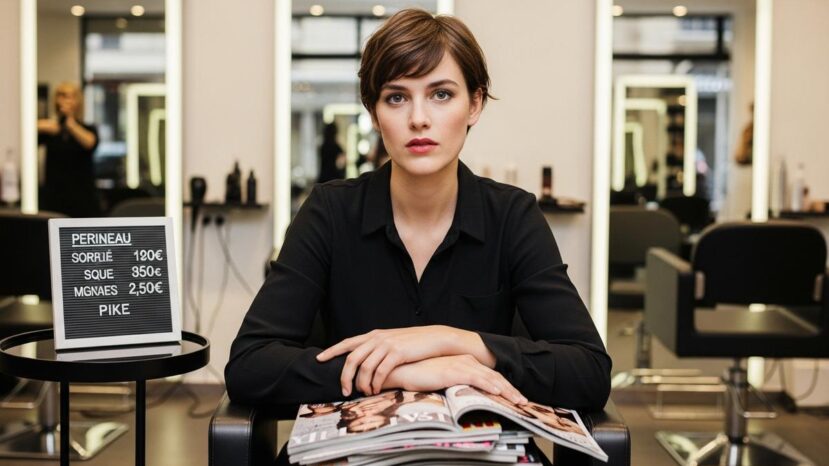


Women’s hairdressing is still a much higher expense than for men. In 2026, this reality still annoys thousands of female customers across France. However, there are ways around this gendered pricing system.
A price gap of 46% between men and women
The average price difference between a men’s cut and a women’s cut is 46%. Far from being insignificant, this figure represents a real economic divide. For women, the bill often exceeds one euro per minute.
For men, the ceiling rarely exceeds fifty euros. On average, rates are much lower. The CLCV consumer association speaks of “overcharging” for women’s hairdressing.
60 millions de consommateurs even urges consumers to contact the Défenseur des droits in the most extreme cases. This subject goes beyond the simple framework of leisure activities to become a social issue.
“When you’re a girl, the pink tax starts with the price of toys!”
The pink tax invites itself to the hairdressing salon
This phenomenon has a name: the pink tax. This economic gap between men and women affects many everyday products. Razors are a case in point.
Author and journalist Titiou Lecoq has been denouncing this gender gap for several years. According to her, women are encouraged to consume, but never to get rich. This social pressure legitimizes unjustified prices.
- The average gap is 46% to women’s disadvantage
- Shampoo, cut and style package costs €20.46 for men
- This same package amounts to €30.07 for women.
- Out of 902 salons surveyed, only one had unisex prices
- The Défenseur des droits can be contacted in the event of abuse
CLCV survey reveals edifying figures for hairdressers
The CLCV survey analyzed 902 salons in France. Only one of them charged unisex prices based on the time provided. This price difference is hard to justify.
The “shampoo – cut – style” package costs an average of €20.46 for men. For women, the same service costs €30.07. According to this study, the difference is close to 47%.
François Lévêque, professor of economics, analyzes this phenomenon in an article for Les Echos. He points out that women’s willingness to pay is perceived as higher. This entrenched gendered injunction allows exorbitant prices to persist.
Many customers protest against this situation. Some even testify to being “thrown out of salons” when they ask for a male rate despite having short hair.
Testimonials that illustrate the problem at the hairdresser’s
Lucie Bouteila, a hairdresser in Bordeaux, knows all about this frustration. She recounts how, for years, she paid between 45 and 50 euros for a short haircut. The customer next door, with the same cut, paid between 25 and 30 euros.
This difference in treatment at the hair salon affects every city in France. Colorations and techniques are not enough to explain such a gap. Women’s hairdressers often apply fee schedules based on gender rather than on service rendered.
Non-genre trade shows emerge in France
Faced with this situation, some professionals have decided to take action. Mixed-gender salons now charge prices based on hair length. Time spent and expertise provided determine the bill, not the sex of the customer.
Lucie Bouteila opened her Holy Cut salon in Bordeaux with this philosophy in mind. The only difference in price is according to hair length and technique. Men, women and transgender people are welcomed without discrimination.
Other establishments are following suit across France. Pigments dans l’Hair in Normandy, La baraque à cheveux in Nantes and La Cour par Clément in Annecy all offer this approach. The Alexandre Henry salon in Paris and the Toni & Guy chain also offer non-generic rates.
The new-generation women’s hairdresser bases his price range on objective criteria. The more you cut, the more you pay: this simple logic puts fairness back at the heart of the business. These initiatives are still in the minority in an industry still very attached to traditional price scales.