
Losing weight after 50: the habit to avoid for a slimmer figure, according to a doctor
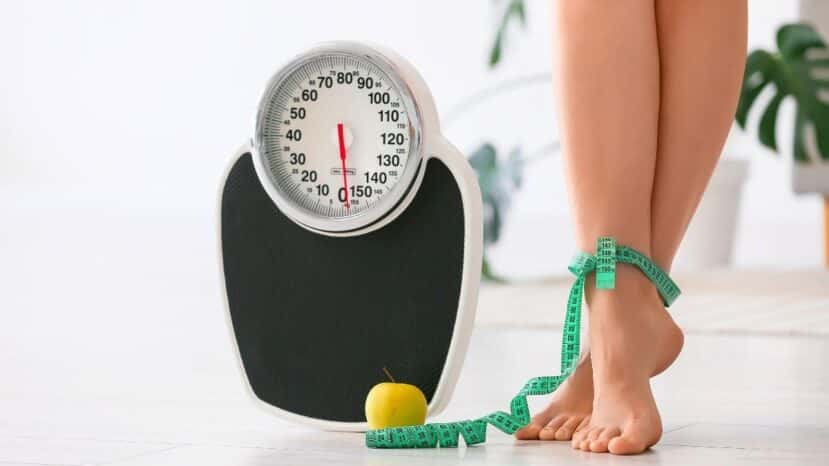


After the age of 50, losing weight becomes a real challenge for many people. Metabolism slows down, hormones change, and certain habits can even worsen the situation. One doctor warns of a common mistake that sabotages weight loss efforts at this age.
Why it’s harder to lose weight after 50
The body changes with age. Hormonal changes, particularly menopause in women, alter the way the body stores fat. As a result, methods that worked at age 30 no longer deliver the same results.
What’s more, muscle mass naturally diminishes over time. This phenomenon, known as sarcopenia, reduces the number of calories burned at rest. So, even if you eat less, your weight can stagnate.
Faced with these obstacles, many people adopt drastic strategies. Yet these radical approaches can be counter-productive, and even dangerous to health.
“Skipping meals is the most common mistake I see in my patients over 50 who want to lose weight.”
The habit to avoid, according to this doctor
Skipping meals seems like a logical solution for cutting calories. However, it has the opposite effect to that intended. The body, deprived of energy, goes into economy mode and stores more.
What’s more, this habit leads to uncontrollable cravings. As a result, people often compensate by snacking or overeating at the next meal.
- Metabolism slows down when meals are skipped
- Cravings increase and become difficult to manage
- Muscle mass melts faster without regular intake
- Reduced energy, making physical activity more difficult
- The body stores more fat as a survival reflex
Best practices for losing weight after 50
Rather than cutting out meals, you should focus on regularity. Eating at set times helps the body maintain an active metabolism. In this way, the body burns calories more efficiently.
The quality of the food we eat also plays an important role. By giving priority to proteins, we preserve muscle mass while promoting satiety. As a result, nibbling cravings are naturally reduced.
Physical activity remains an essential pillar. However, after the age of 50, it’s best to adapt your exercise routine. Walking, swimming and gentle muscle strengthening are particularly recommended.
Finally, sleep plays an often underestimated role. Insufficient rest disrupts hunger hormones. So getting enough sleep contributes directly to weight loss efforts.
The importance of a gradual, sustainable approach
Restrictive diets promise quick results. However, they almost always lead to the yo-yo effect. To lose weight sustainably, patience is your best ally.
A loss of 500 grams to 1 kilo per week is a reasonable target. This pace allows the body to adapt without stress. What’s more, results obtained this way are easier to maintain over the long term.
Medical support: a valuable asset after age 50
It’s a good idea to consult a healthcare professional before starting a diet. Certain pathologies or treatments can influence weight gain. A complete check-up allows us to adapt our strategy to each individual situation.
The doctor can also detect any deficiencies. After all, losing weight should never be at the expense of your overall health. Regular follow-up ensures a safe and effective approach.
In 2026, knowledge about weight loss after 50 continues to advance. Specialists now insist on the importance of a personalized approach. Every body is unique and deserves special attention.
To lose weight calmly at this age, you need to avoid the pitfalls of quick fixes. Regular meals, a balanced diet and appropriate physical activity form the basis for lasting success.