
5 yoga postures to aid digestion and relieve bloating
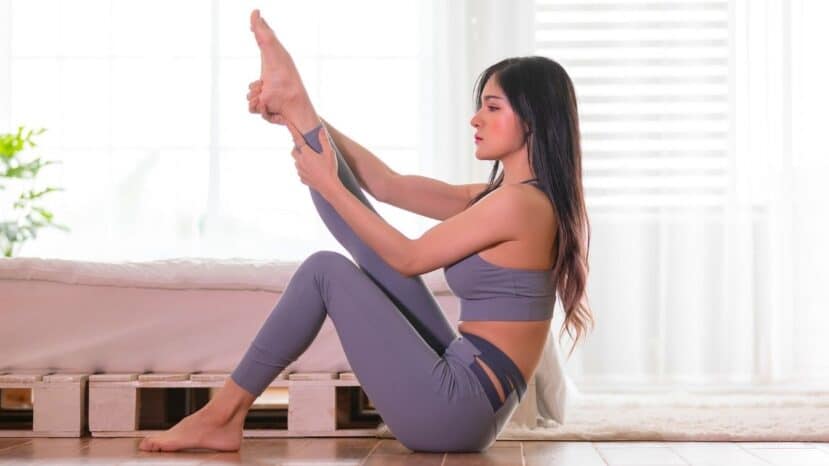


A swollen abdomen, a feeling of heaviness after meals, recurring digestive discomfort: many people experience these discomforts on a daily basis. Yet certain gentle postures can provide fast, natural relief. Here are 5 yoga postures that are particularly effective in soothing these complaints.
Yoga to aid digestion
These digestive discomforts are often the result of eatingfoods containing certain sugars that are difficult to digest, such as lactose or fructose. As a result, bloating, although generally benign, can really ruin the lives of those who suffer from it. Fortunately, targeted yoga exercises offer a solution accessible to all.
The recommended postures stimulate the abdominal organs and tone the abdomen. As a result, they promote better circulation in the digestive tract. These positions were recommended in an article published on October 25, 2025 on the Health website by dietician Barbie Cervoni, and are specifically aimed at aiding digestion.
By progressively stretching the abdominal muscles, these movements release accumulated tension. What’s more, they create a natural internal massage that helps the digestive system function more efficiently. The combined effect of conscious breathing and body positioning amplifies the benefits felt.
“Certain yoga postures, by stretching your abdominal muscles, can relieve bloating and ease your bloating-related discomfort.”
Apanasana: the knees-to-chest posture
This first position is practiced lying on the back in a state of complete relaxation. It’s the ideal basis for beginning a digestive sequence. Start by lying back comfortably, then inhale as you place your hands on your knees.
Then, as you exhale, gently bring your knees up to your chest. To maximize the stretch, slowly rock your knees from side to side. Hold this position for 5 to 10 breaths, then gradually release your knees.
Repeat this movement a few more times as you feel comfortable. This simple posture exerts gentle pressure on the abdomen, helping to evacuate gas. It also relaxes the lumbar muscles, which are often tense during digestive disorders.
- Lie down and relax before you start
- Inhale deeply as you place your hands on your knees
- Exhale, bringing knees to chest
- Gently rock from side to side
- Hold the position for 5 to 10 breaths
Bridge: Setu Bandha Sarvangasana to stimulate circulation
This slight inversion promotes blood circulation throughout the abdominal region. It also provides a feeling of renewed energy, particularly appreciated in cases of digestive fatigue. Start by lying on the floor, then bend your knees.
Keep your arms at your sides and your feet firmly planted on the ground. Then lift your hips skywards to stretch your chest and create an arch with your back. Maintain this elevation for a few moments, then relax your hips as you slowly descend.
Repeat as necessary, depending on your comfort level. This posture reverses the usual blood flow and massages the internal organs. It also strengthens the abdominal muscles and provides a beneficial stretch to the lower back.
The sitting clamp to relieve digestive stress
Paschimottanasana is a simple stretch that helps you relax deeply. This posture also relieves some of the stress that directly affects your digestion. Sit on the floor with your legs stretched out in front of you.
Keep your back straight, then slowly flex your hips to lower your torso towards your legs. Hold for 5-10 deep, calm breaths. Lower yourself as much as possible, but remain comfortable and feel the stretch without forcing.
The cat and the cow: Marjaryasana and Bitilasana in alternation
This dynamic sequence alternates two complementary postures to massage the internal organs. It creates an undulating movement of the spine that is particularly beneficial. Get down on all fours on the floor, hands under shoulders.
Inhale, keeping your back straight and abdominals contracted. Then exhale, lowering your head and rounding your spine into cat pose. Arch your back on the next inhalation, lifting your head and buttocks into cow pose.
Alternate between the two postures, associating inhalation with the cow posture and exhalation with the cat posture. Repeat this fluid movement several times to stimulate intestinal peristalsis. This rhythmic alternation promotes a natural internal massage that is highly effective against bloating.
Balasana: the child’s posture for digestive rest
This resting posture is a relaxing stretch that soothes the entire digestive system. Sit on your knees and feet, spreading your legs wide apart. Then lean forward, stretching your arms out in front of you as far as possible.
Keep your back straight at the start of the movement, then rest your forehead on the floor. You can rest your head on a block or pillow to help maintain the posture. This position gently compresses the abdomen, promoting deep relaxation and better digestion.