Marseille is dethroning every other destination this summer 2026, and it’s not just a trend
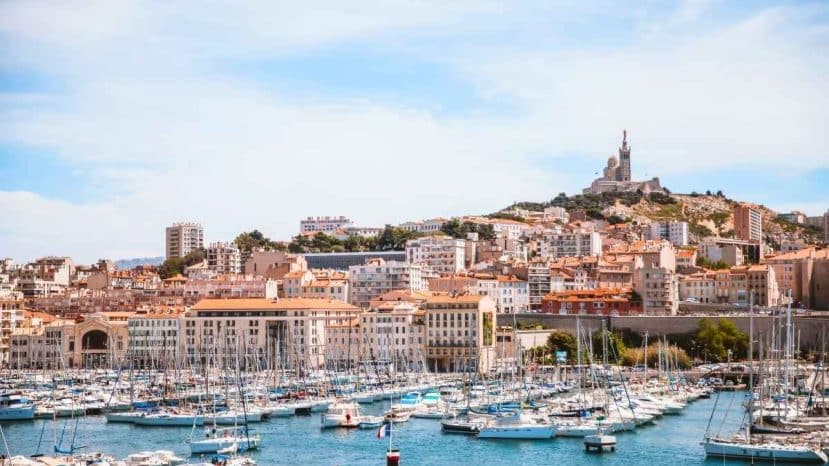


Soaring property prices, hotels running at 95% capacity, and extra trains heading south: something profound is happening around the Phocaean City. Far from a social media frenzy, the hard data from summer 2026 tells a different story.
When the numbers confirm the Marseille craze
The indicators are hard to ignore. The city has climbed to first place among French destinations on Booking this summer, with hotel occupancy rates hovering around 95%. To meet demand, SNCF has added 200,000 extra seats heading south, while Trenitalia has expanded its service on the Paris-Marseille route. These logistical decisions are no coincidence: they reflect genuine pressure on passenger flows, well beyond a passing trend.
This momentum is also visible in the urban fabric. Brunch spots, natural wine bars, coffee shops, creative studios, chef-driven restaurants, concept stores and co-working spaces: new addresses are opening at a sustained pace. The city is now attracting projects that, just a few years ago, would have naturally gravitated towards other French cities.
A nightlife and cultural scene in full transformation
The revival doesn’t stop at sunset. Marseille’s nightlife is experiencing, by all accounts, an unprecedented intensity. Rooftops, parties on the Frioul islands, DJ sets, festivals and concerts at the Vélodrome or the Cabaret Aléatoire are shaping an offer that rivals the great European metropolises.
This movement is built on a new generation of venues and events that have emerged in recent years. What is striking is that this move upmarket has not come at the expense of the city’s working-class Mediterranean identity. Marseille is asserting itself as one of France’s lifestyle capitals, day and night, without abandoning what makes it singular.
The Parisian influx: myth or reality?
The image of a city overrun by neo-Marseillais arriving from the capital deserves some nuance. In reality, new residents originally from Paris account for around 3,000 people, or 0.3% of Marseille’s population, according to an analysis by demography and sociology researchers. If their presence seems disproportionate, it is because they are concentrated in a limited number of neighbourhoods: Endoume, Roucas-Blanc and Notre-Dame-du-Mont are particularly affected.
This geographical concentration amplifies the perception of a shift, even though the phenomenon remains, in volume, relatively contained at the scale of the city as a whole.
The flip side: gentrification and rising prices
Growing attractiveness comes at a direct cost to residents. The property figures speak for themselves:
- In Endoume, the average price per square metre is now approaching €7,000, according to Meilleurs Agents.
- This level represents a rise of 53% over ten years in that neighbourhood.
- In Roucas-Blanc, some properties exceed €8,000 per m², according to the Notaires de France.
- Rising rents and the changing face of local businesses are fuelling growing debate about gentrification.
These tensions are anything but abstract. The transformation of neighbourhood shops, pressure on rents and symbolic signals such as a €7 matcha are crystallising very real concerns for long-standing residents. The city’s success therefore raises a fundamental question: how do you preserve what makes Marseille’s popular, Mediterranean identity when the very attractiveness drawing people in is also reshaping it from the ground up?
This debate around gentrification, now at the heart of local conversation, may be the most telling sign that the Marseille phenomenon is not a fleeting bubble, but a lasting recomposition of the city’s face.