
Podiatrists are clear: heel rasps make calluses worse, not better
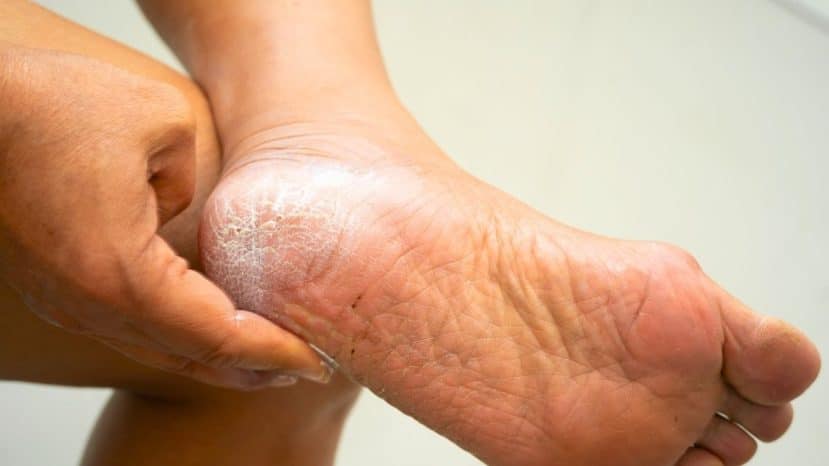


Every evening, millions of people reach for a metal rasp or pumice stone to tackle their rough heels, convinced they’re doing the right thing. Yet this widespread reflex makes the very problem it claims to solve significantly worse. Podiatrists are emphatic on the point: scrubbing away calluses only produces more of them.
What podiatrists know about calluses that you don’t
The skin on the sole of the foot has one decisive anatomical quirk: it contains no sebaceous glands. Without sebum to protect it, the skin relies solely on its sweat glands to form a hydrolipidic film, and that film remains extremely fragile. This structural vulnerability explains why heels dry out so quickly, a phenomenon that ageing, certain skin types, and conditions such as diabetes, atopic eczema, or psoriasis can amplify further.
Faced with the repeated pressure of body weight, walking, and friction against shoes, the epidermis triggers a natural defence response known as hyperkeratosis. It produces an excess of keratin to build a protective shield. Muriel Montenvert, a French podiatrist and member of the Union Française pour la Santé du Pied, puts it plainly: callus is not an enemy to be eliminated, but a natural protection against mechanical stress. When an aggressive rasp abruptly strips away this layer, the brain interprets the removal as an attack and instructs the skin to produce callus even faster, thicker, and harder than before.
In other words, the smooth result achieved after filing is nothing more than a short-lived illusion. The cycle restarts, and the callus comes back tougher with every pass of the rasp.
Real risks beyond the cosmetic
The micro-traumas caused by repeated filing weaken an already fragile skin barrier. The skin dries out further, cracks, and the cycle spirals. Several everyday factors make this worse: wearing shoes with rigid or overly narrow soles, walking barefoot on hard tiled floors, high-impact sport, or hot showers that strip away what little lipid barrier remains.
In the most severe cases, heels end up cracking deeply. These fissures can become extremely painful and bleed with every step. For people with diabetes, circulatory disorders, or older adults, using sharp or abrasive instruments on these areas carries a real risk of infection. In such cases, seeing a podiatrist is not optional, it is essential.
The routine podiatrists recommend for lastingly supple heels
Giving up harsh tools does not mean giving up well-groomed feet. Podiatry offers a gradual approach that respects the epidermis rather than traumatising it. Here are the four pillars of this restorative routine:
- Cleanse without aggression: a daily wash with lukewarm water and a gentle cleanser (syndet, cleansing oil, or superfatted soap), followed by thorough pat-drying, paying close attention between the toes to prevent fungal infections.
- Exfoliate chemically: replace mechanical filing with lotions or creams containing hydroxy acids (such as glycolic acid, lactic acid, or salicylic acid), which dissolve the bonds between dead cells without damaging healthy skin.
- Apply urea at the right concentration: the gold-standard active ingredient in podiatry is urea, used at a concentration of 10% to 30%. It works both as a powerful humectant and as a keratolytic agent, meaning it softens callus gently.
- Try the regenerating overnight soak: each evening, apply a generous layer of a rich balm based on shea butter, ceramides, or urea, then slip on a pair of organic cotton socks. This creates an occlusion effect that maximises ingredient absorption throughout the night.
This protocol, endorsed by foot-care specialists, requires neither expensive equipment nor technical skill. Within just a few days, heels regain their suppleness, without a single rasp in sight.
Why changing the habit is genuinely worth it
The real problem with the rasp is that it delivers instant gratification while perpetuating the issue in the long run. Each filing session appears to reset the clock, but in reality it restarts the callus-production machine. By adopting a gentle, consistent routine, you break that vicious cycle instead of feeding it.
People who visit a podiatrist for severely damaged heels often hear the same diagnosis: years of intensive filing have thickened and hardened the callus far beyond what simple dryness would ever have produced. Looking after your feet with the right active ingredients is therefore also a way to avoid needing specialist treatment down the line. Prevention here is as simple as a pair of cotton socks and a balm applied before bed.