Cam Ranh and Mũi Né, the new Vietnamese destinations that luxury resorts are betting on
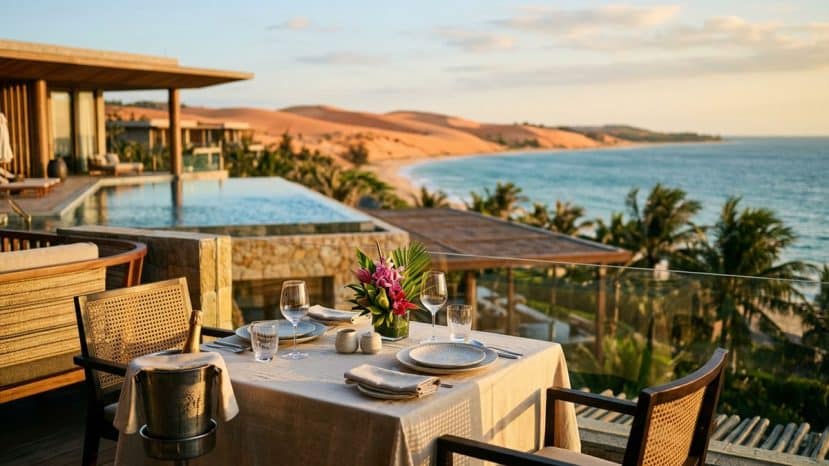


Picture a white-sand beach stretching as far as the eye can see, coconut palms lining a turquoise sea, and luxury resorts offering all of this at prices that remain surprisingly accessible. Cam Ranh and Mũi Né are steadily establishing themselves as genuine new destinations on the high-end tourism map of Southeast Asia, far from the bustle of Hanoi or Ho Chi Minh City.
Khánh Hòa, the flagship province of these new luxury destinations
The province of Khánh Hòa, in south-central Vietnam, is drawing a growing share of international tourism interest. The numbers speak for themselves: in the first five months of 2025, more than 2.23 million international visitors set foot in the region, a rise of 11.4% year on year according to the Vietnam National Administration of Tourism. Among them were over one million South Koreans, nearly 298,000 Chinese, 121,000 Russians and more than 52,000 Kazakhs. This geographical diversity signals an appeal that extends well beyond the region’s immediate neighbours.
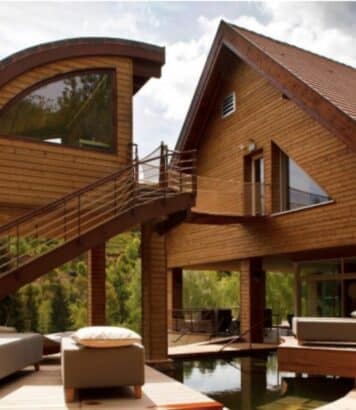
It is against this backdrop that The Anam, a resort complex that opened in 2017 in Cam Ranh, has found its natural home. Spread across twelve hectares along the South China Sea, the property offers 213 rooms, suites and villas. Its visual identity cultivates a particular vision of Indochina: dark wood, imperial-inspired rooflines, colonial-style furniture and paintings by local artists, all wrapped in dense tropical greenery. For those in the know, the atmosphere is reminiscent of the world conjured by the series The White Lotus.
Days here follow a rhythm all their own. At dawn, yoga classes facing the horizon welcome early risers, before the spa takes over with massages and body treatments. For those who prefer a slow morning, the beach and its white parasols offer the same sense of calm. Come evening, the restaurant Le Colonial brings together a reinterpreted French cuisine and local produce in a softly lit dining room.
Nha Trang, a day trip between history and street-market energy
Staying within the confines of a resort would mean missing a significant part of the journey. About thirty kilometres north of Cam Ranh, Nha Trang offers a striking cultural counterpoint. The Po Nagar towers, built between the 7th and 12th centuries, are among the best-preserved remains of the ancient Champa kingdom. These four towers were dedicated to Hindu deities, including Po Nagar, the “mother of the kingdom” for the Chams, an ethnic group present in Vietnam, Cambodia and China. The site remains a living place of worship: devotees still come to leave incense, meat and various offerings.
From this contemplative setting, the contrast with the Đm market, Nha Trang’s main market, could not be more complete. Fruit, vegetables, snake liquor and shark-fat ointments jostle for space in an atmosphere that could not be further from the serenity of the temples. This shift from the sacred to the everyday neatly captures the richness of what these new Vietnamese destinations have to offer the curious traveller.
Mũi Né, where kitesurfing, fishing and red dunes converge
220 kilometres south of Cam Ranh, in Lâm Đng province, Mũi Né presents another face of these new coastal destinations. Since 2023, The Anam has operated a second, more compact property here: 1.2 hectares of grounds and 127 rooms and suites. The architectural signature remains consistent, with dark wood, graphic tiles, Vietnamese paintings and rattan lanterns framing the headboards. Many rooms have their own private terrace.
- Between October and April, Mũi Né’s microclimate produces steady winds, ideal for kitesurfing.
- The resort has established itself as one of Asia’s premier destinations for the sport.
- Hundreds of brightly coloured boats dot the bay, alongside the thúng chai, the round coracle boats that are an emblem of the Vietnamese coastline.
- Mũi Né’s red dunes are best explored by quad bike, helmet firmly on.
- The fishing village remains an essential part of the area’s identity, visible from the heights above.
By day, the sky above Mũi Né fills with green, blue and yellow kitesurf sails. The resort has cemented its status as one of Asia’s top spots for the discipline, drawing experienced riders from around the world. Away from the water, the red dunes are the other headline attraction: explored by quad bike, helmet strapped on, they offer an experience that feels worlds away from the shoreline.
A positioning that still stands apart on the Vietnamese tourism map
Cam Ranh and Mũi Né have yet to achieve the name recognition of Hoi An, Ha Long Bay or Phú Quc among European travellers. That is precisely what gives them their edge right now. These new destinations are built on a clear triptych: tranquillity, discretion and indulgence. They offer space and room to breathe that Vietnam’s major cities can no longer provide.
The Anam embodies this coastal development strategy by placing its bets on two complementary sites. On one side, the grandeur of Cam Ranh and its twelve hectares facing the open sea. On the other, the compact energy of Mũi Né, driven by wind and surf culture. Together, these new destinations form a second map of Vietnam, still largely uncharted, yet already highly sought after by an international clientele in search of authenticity and comfort.