



Champagne: 6 remarkable vintages to shine on New Year’s Eve
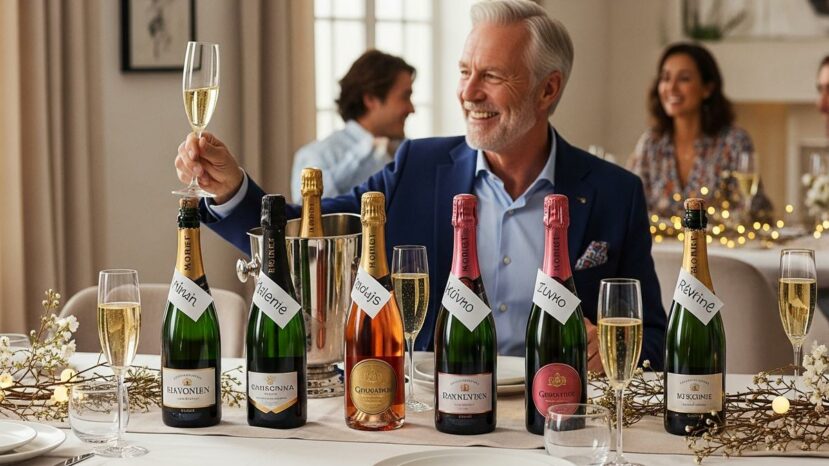
When it’s time to set the table for New Year’s Eve, there’s one question that comes up again and again: which bottle to open without making a faux pas, especially if you’re dreaming of champagne to mark the occasion. Bubbles set the tempo for the meal, reassure guests and create a bond. What’s more, a clear selection helps you to combine pleasure, budget and style of service.
Six cuvées, six styles for a serene evening
According to the culinary editors’ selection, the idea is simple: to bring together 6 cuvées ready for the party, without complication. The palette ranges from lively blanc de blancs to vinous rosé, as well as incisive extra bruts. What’s more, the diversity of dosages makes it possible to accompany theaperitif and then the table, seamlessly.
Wine lovers are often looking for a fresh structure to start the meal, followed by more substance for the main course. So a straightforward blanc de blancs opens the ball, before a fuller-bodied cuvée with creamy dishes. Then, a dry rosé can conclude with a dessert that’s not too sweet, or a hard cheese, although champagne is often reserved for the first course.
The choice begins with the grape variety, blend and dosage, which determine texture and tempo. A 100% Chardonnay, for example, lifts the palate, while Pinot Noir adds breadth and depth. Finally, the mention of a vintage specifies a singular year, while a cuvée without a year seeks constancy.
“A successful New Year’s Eve begins with the right drink at the right time.
Read the label to choose with confidence
The dosage, indicated as brut, extra brut or zero dosage, guides the sensation of sugar. Thus, an extra brut gives a sharp relief to oysters and sashimi, while a balanced brut reassures a wide audience. On the other hand, connoisseurs of roundness may prefer a more generous style as an aperitif.
The level of terroir also counts: crus, premiers crus, grands crus are sometimes clearly displayed. In addition, the indications of vintage, reserve and disgorgement provide useful pointers. However, a good wine merchant can help you decipher these indications, especially if you’re not sure about a table champagne.
The name of the winery or winemaker provides information about the signature, rather than a fixed hierarchy. A major brand ensures consistency, while a grower relies on the character of a parcel. As a result, the two approaches complement each other perfectly for a lively cellar.
- Specify serving time: aperitif, table, dessert or cheese.
- Check the dosage to match the salt, fat and acidity of the menu.
- Compare dominant grape varieties to adjust tension and volume.
- Choose a safe house or a winegrower with character, depending on your taste.
- Set a budget, then aim for the best balance between consumption and use.
Iconic houses, cutting-edge winemakers: the right balance
The great houses tell a story of style, supported by the assembly and art of time. As such, their strength lies in a stable signature, designed for a broad and loyal public. What’s more, they often offer several levels of cuvées to serve every moment of the meal.
Artist Marcin Rusak’s limited-edition Blanc de Blancs Perrier-Jouët illustrates this link between expertise and creation. Here, flowers appear on the bottle and in the glass, with a 100% Chardonnay profile that’s taut, floral and lemony, ideal as an aperitif.
In the face of these signatures, some winemakers assert a precise reading of the terroir, sometimes on a parcel-by-parcel basis. As a result, their bubbles are better suited to certain dishes, such as pearly fish or roast poultry. The result is a nuanced table, where every glass has its place.
Precise service: temperature, glass and timing
Freshness makes all the difference, without freezing the aromas or breaking the foam when serving. So, aim for 8-10°C for the aperitif, to keep the wine straight, then rise slightly on the table. What’s more, a slender tulip-shaped glass, rather than a narrow flute, enhances the champagne’s bouquet.
As for serving, opening the bottle without rushing avoids a too brisk flow. Also, pouring in two stages limits foaming and preserves mouthfeel precision. Consequently, leave the glass to rest for 12-15 minutes if the cuvée is closed.
Trends to follow, from cellar to table
Demand for drier styles is on the rise, with better mastered extra brut wines. We’re looking for a sapid sensation, driven by acidity and chalky relief. What’s more, today’s iodized and vegetal cuisine responds well to this energy.
The vineyard is changing, with sustainable, organic and reasoned soil management approaches. As a result, consumers are more interested in practices, disgorging dates and traceability. As a result, this information, when it appears on the label, reinforces confidence in the champagne chosen.
In terms of format, the magnum is often a sign of the conviviality of a large table. The temperature remains more stable, and the bubbles sometimes appear finer when served. In short, a great idea for a shared meal, if the number of guests justifies it.
Clever pairings to prolong the pleasure
As an aperitif, a lively blanc de blancs is ideal for oysters, sashimi and light tempura. The tension of citrus and chalk cleanses the palate before the main course. In addition, a dry rosé goes well with snacked tuna or a light strawberry dessert.
For the table, a fuller cuvée stands up to roast poultry with short juices. Also, a blend dominated by pinot noir brings structure and discreet spices. Consequently, the coherence of the menu guides the bottle, much better than an automatic reflex.
Final adjustments before midnight
Don’t forget the airtight cork to keep the bubbles cool after serving. This way, the pressure is maintained until the next day, if the bottle is not finished. What’s more, storing the bottle upright in the fridge prevents any unpleasant odours.
Budget remains a marker, but it doesn’t say everything about quality. A coherent, well-served and well-tuned selection often exceeds a prestigious label. Therefore, set a range and look for the best pleasure/use ratio of the moment.
The evening flies by, and every detail counts for lasting memories. So, choose your glass, anticipate freshness, then take care with the pace of service. In short, the table will shine and conversation will follow, carried by a glass whose elegance never falters.

Aucun commentaire
Publier un commentaire
Participez toujours dans le respect de la loi et des personnes.