Fortuny, the sparkle of Venice between art and craft
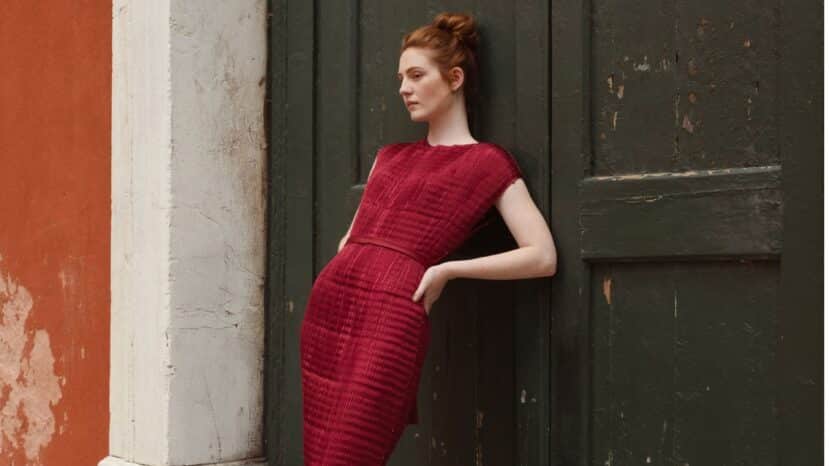


In the delicate folds of a fabric or under the amber light of a silk diffuser, Fortuny seems to retain something of the Venetian mystery. That of silent palaces, weathered facades and hushed evenings. . For more than a century, the company has nurtured this suspended universe, where fabric, shadow and the handmade gesture still interact with unbroken grace.
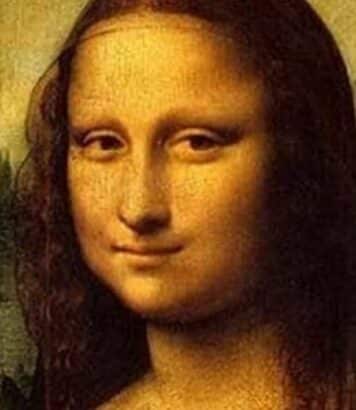
In Venice, certain places seem to hold back time. The Palazzo Orfei is one such place. Behind its walls, at the beginning of the 20th century, Mariano Fortuny imagined a world where fabrics catch the light like ancient frescoes and lamps diffuse a soft, almost theatrical clarity. The artist, often compared to Leonardo da Vinci for the diversity of his research, was not just a painter. He was also an inventor, decorator, scenographer and textile designer. A fascinating figure who continues to inhabit the most refined interiors today.
Fortuny, fabric, shadow and Venice
Born in Granada in 1871, Mariano Fortuny grew up in Paris, Madrid and Biarritz, before settling permanently in Venice. It was here, on the top floor of the Palazzo Pesaro degli Orfei, that he set up his studio with Henriette Negrin, who was to become his muse and indispensable collaborator. Together, they fashioned an immediately recognizable aesthetic universe.
Early printing experiments on the Knossos shawl rub shoulders with pleated fabrics, silk lamps and research into light. In this Venetian studio, fabrics are worked like painting surfaces. Pigments, folds and prints are experimented with, while light becomes a material in its own right. Around Mariano Fortuny and Henriette Negrin gravitated a circle of artists, aesthetes and travelers fascinated by this new way of thinking about decor, garment and object as a single sensitive whole.
Mariano Fortuny fascinated his contemporaries with the way he combined technical innovation with ancient references. What impresses even today is the almost instinctive coherence of his vision. With him, everything responds to each other: light is designed to reveal the nuances of velvet, while fabrics capture light like living matter. Nothing is isolated. The decor, the garment and the atmosphere are all part of the same aesthetic language.
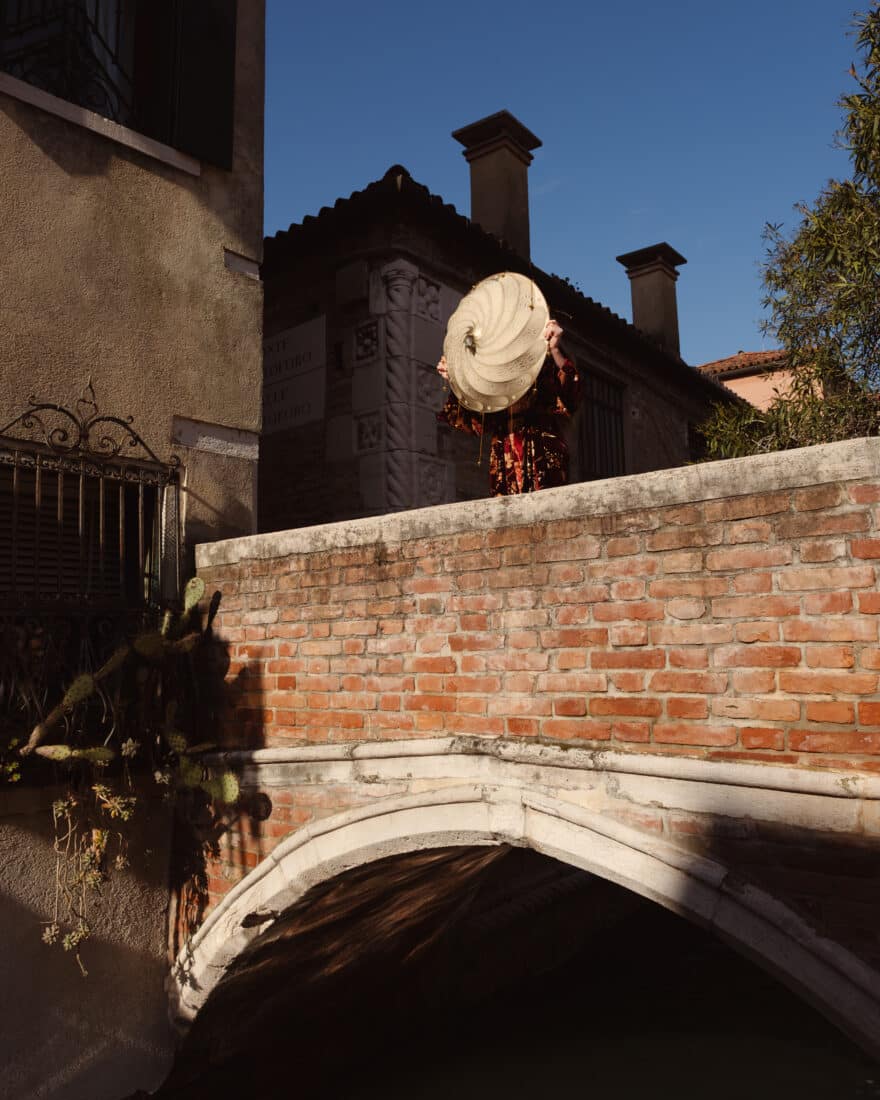
Fortuny lamps: chiaroscuro with a cult following
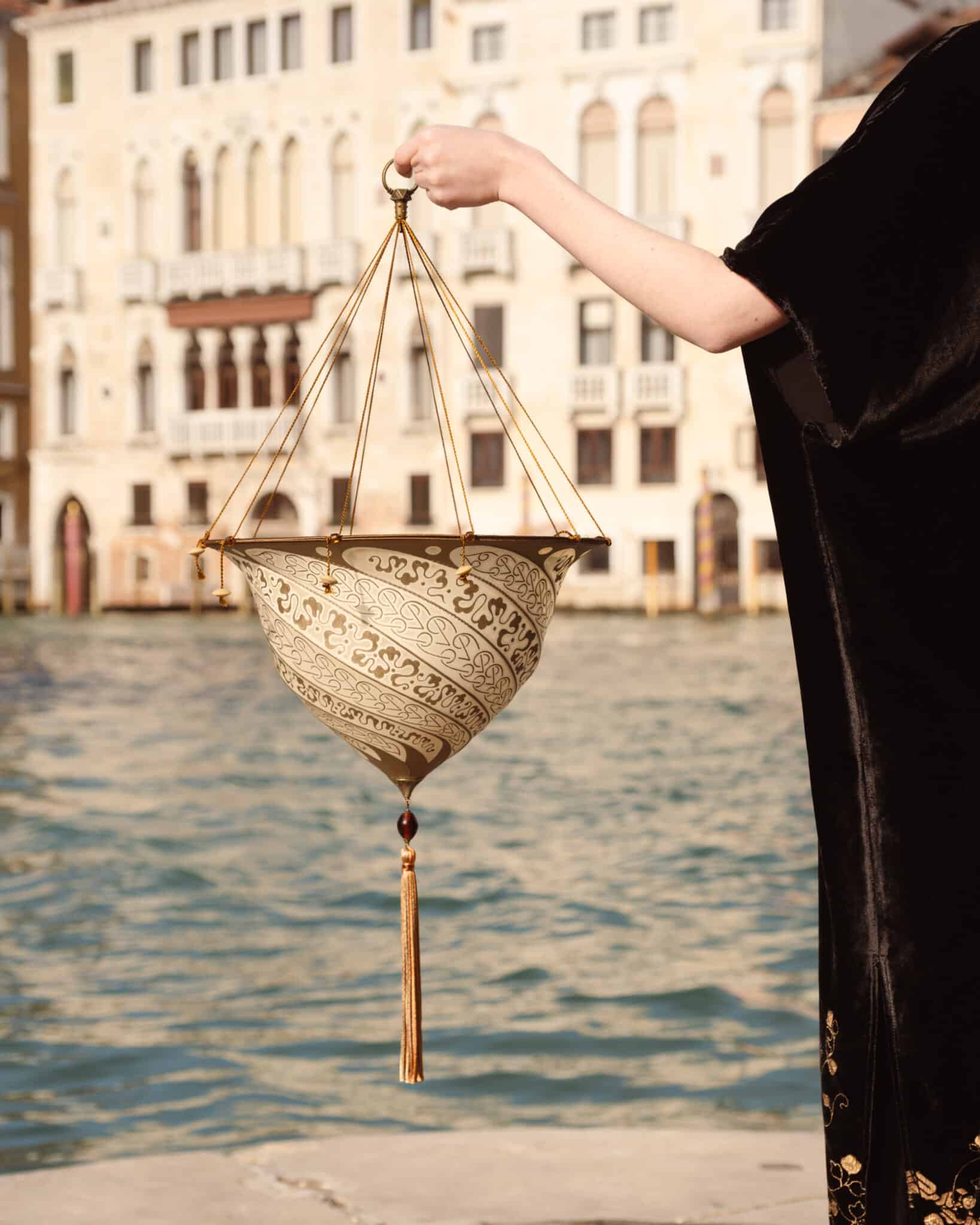
At Fortuny, light takes many forms. Some lamps are adorned with printed silks in Renaissance-inspired motifs, while others feature more oriental silhouettes where the material gently filters the light. Yet all share the same ambition: to create an atmosphere. A light that accompanies the fabrics, reveals the colors and establishes that hushed feeling typical of Venetian interiors. Among them, one creation occupies a special place: the Studio 1907collection, which reveals the most inventive and visionary face of Mariano Fortuny.
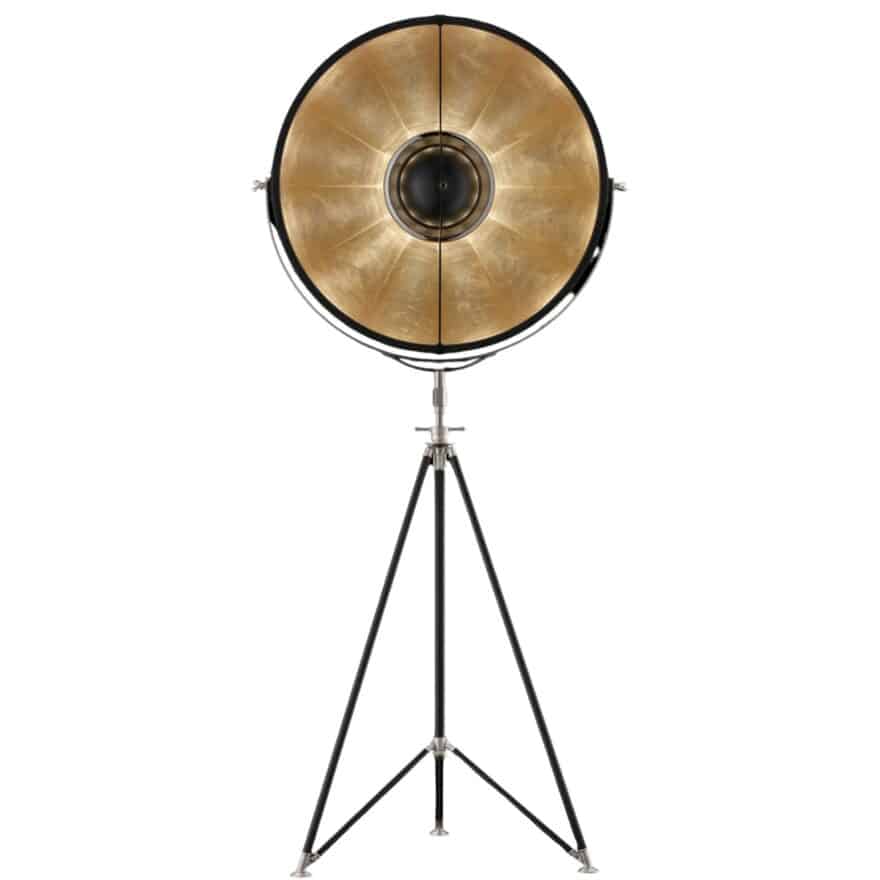
Less decorative, more technical, this series has its origins in the artist’s research for the theater in the early 20th century. With its wide reflector and indirect light, the Fortuny lamp transforms the codes of stage lighting and opens the way to a new way of shaping space.
More than a design object, these lamps embody the genius of a creator who thought of every detail as a sensitive experience. For Fortuny, light had to create an atmosphere worthy of Venice: hushed, mysterious, filled with reflections and silence. This is undoubtedly what makes these pieces so fascinating today. Their aim is not to illuminate an interior, but to give it a soul.
The Delphos dress and the art of pleating
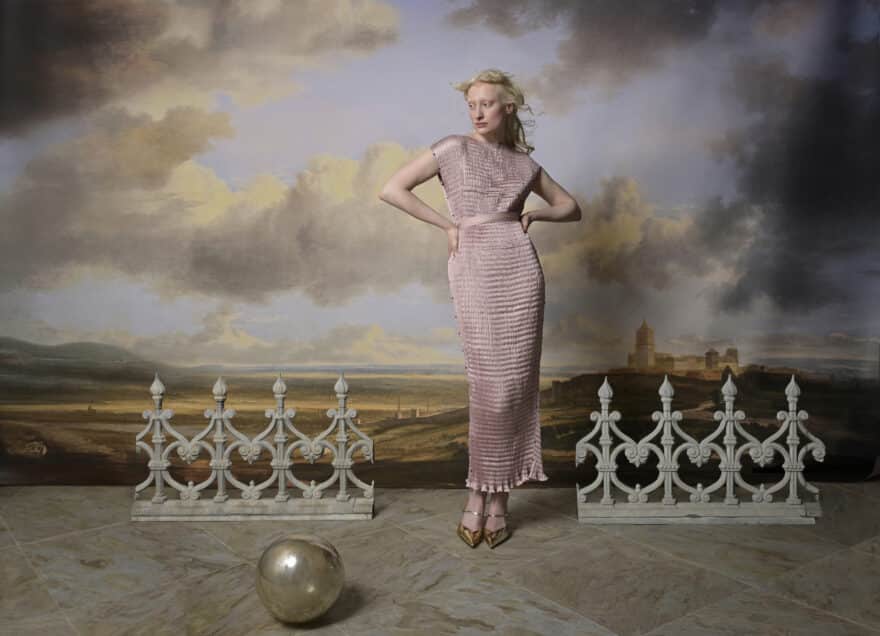
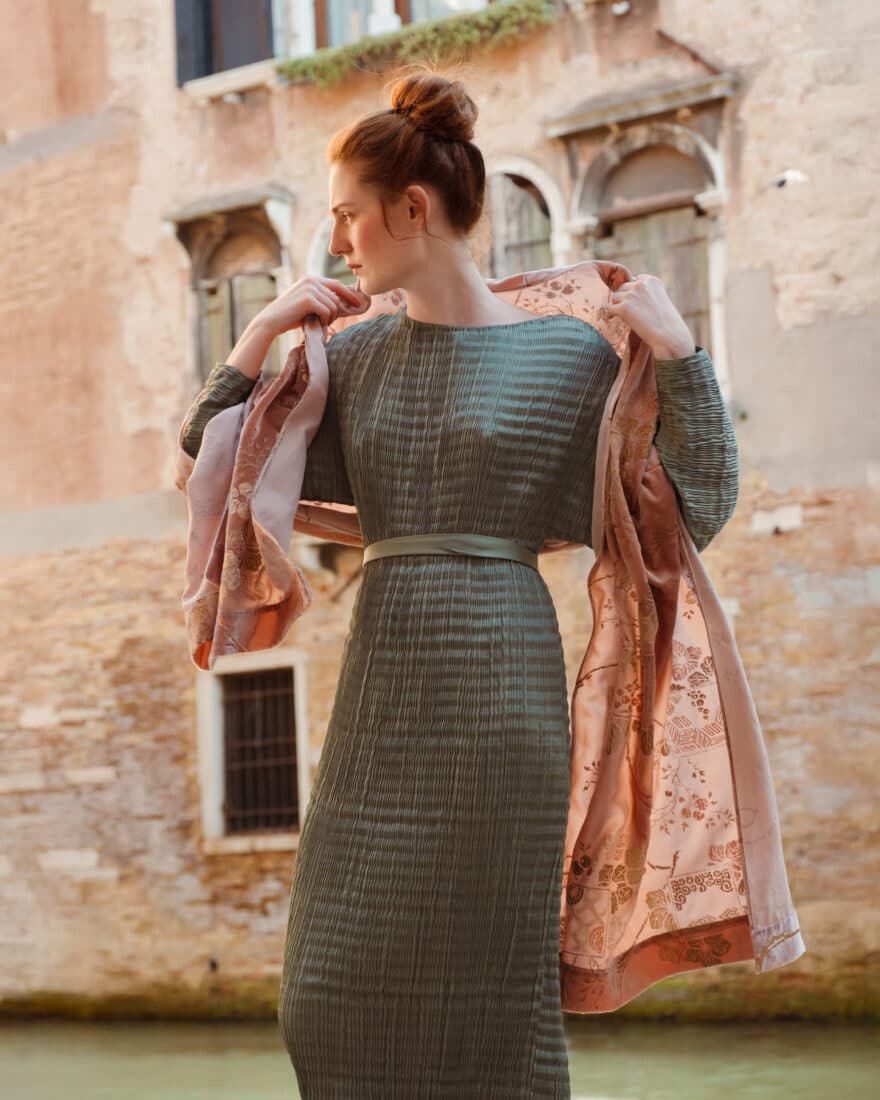
It’s impossible to mention Fortuny without mentioning the Delphos dress. Inspired by ancient Greek chitons, this supple silhouette with delicate folds appeared in 1907 as an almost unreal vision. At a time when the female body was still confined by rigid lines, Fortuny imagined a dress that accompanied movement rather than constraining it. The fabric glides, undulates, catching the light with every gesture.
Its extremely fine pleating, achieved through a process kept secret, contributes to the sense of mystery that still surrounds the piece today. In À la recherche du temps perdu, Marcel Proust himself refers to the dress worn by Albertine as “the tempting shadow of that invisible Venice”. An image that perfectly sums up the Fortuny universe: sensual, hushed, elusive.
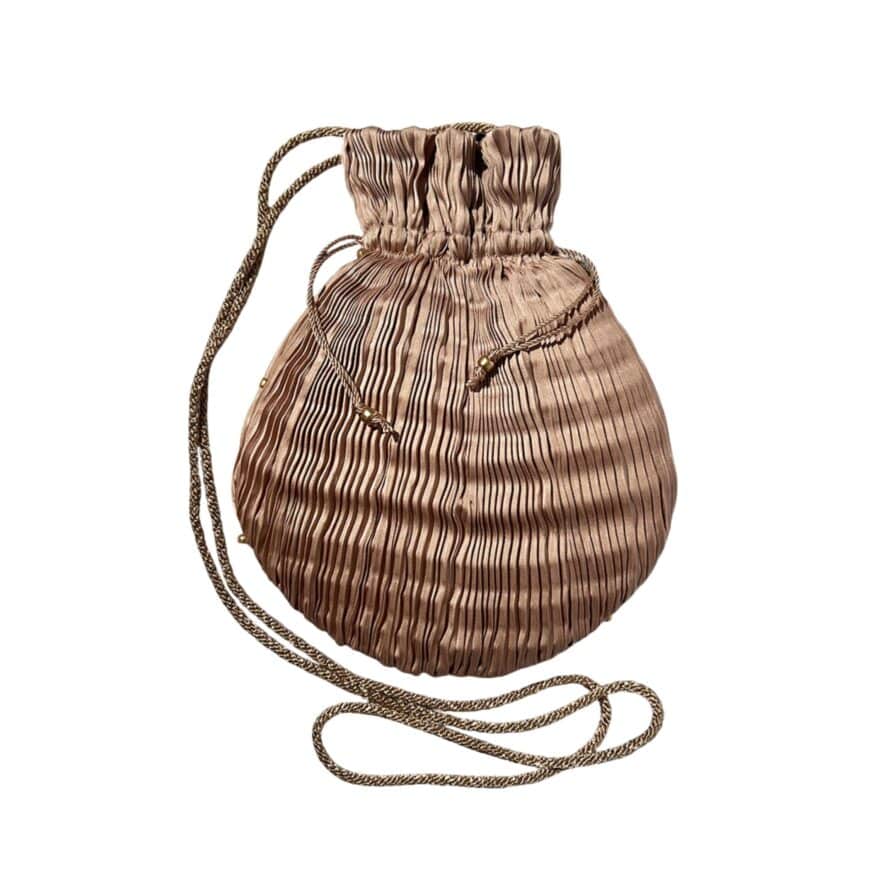
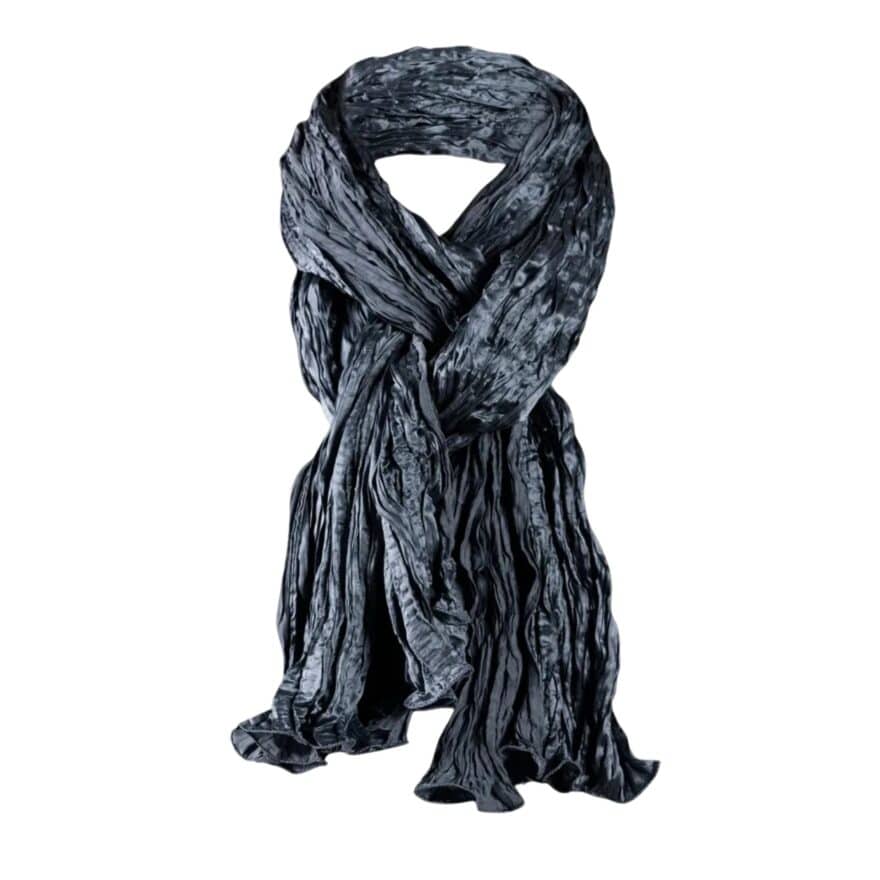
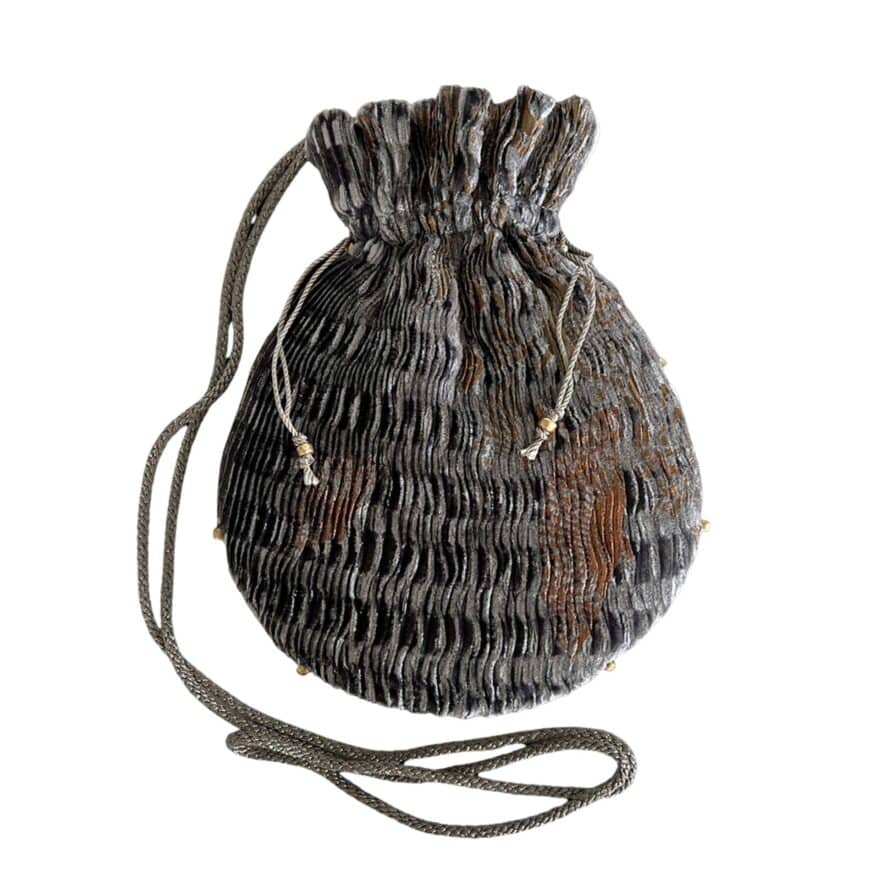
A whole textile language developed around this now cult creation. Over the years, the famous Fortuny pleat has been applied to stoles, scarves, bags and other accessories, extending the Delphos spirit far beyond the garment. A world of deep, changing, shifting materials, where each fabric seems to hold the light differently, as if patinated by time. This richness of texture, inherited from Venetian know-how and Italian Renaissance influences, continues to be the house’s signature today .
A heritage of craftsmanship still alive and well
After Mariano Fortuny’s death in 1949, Henriette Negrin continued to watch over the world they had created together. The Venetian workshops gradually fell silent, until a young entrepreneur, Lino Lando, breathed new life into the company in the 1980s. Fascinated by Fortuny fabrics and the processes devised at the turn of the century, he set about rediscovering the gestures, pigments and techniques that had made the workshop’s reputation.
Even today, printed velvets, fabrics and lamps continue to be made in Venice with the same almost obsessive attention to materials and light. The dyes, always worked by hand, give rise to deep, nuanced colors, never quite the same from one piece to the next. Nothing at Fortuny seems to stand still. Each creation retains the subtle vibrancy typical of slowly crafted objects.
This is undoubtedly what continues to seduce architects, decorators and collectors. In a world saturated with fast-moving images and interchangeable objects, Fortuny reminds us of the pleasure of materials that develop a patina over time, of lived-in interiors and creations designed to last well beyond trends.
Fortuny Venezia
San Marco, 2428
30124 Venise
Dorsoduro, 180/A
30123 Venise
Fortuny Paris
17 & 27 rue Bonaparte
75006, Paris, France
Official website: Fortuny