The chignon hairstyle adopted by Charlene of Monaco and Zara Tindall looks great on any face, according to hairstylists.


For decades, the pulled-back chignon was the hair discipline of crowned heads. However, this spring-summer 2026, princesses and queens are abandoning this frozen classic for a freer, more modern hairstyle.
The royal chignon: an endangered symbol of de rigueur
Palace protocol left little room for improvisation. Every strand of hair had to be straight, and the chignon remained the norm for official ceremonies. This impeccable aesthetic had embodied power and tradition for centuries.
Fashion historians point out that this rigidity met a precise political requirement. Indeed, to project the image of a stable institution, hairstyles had to be immutable. Changing one’s hair style was almost tantamount to changing the constitution.
Ultra-lacquered brushstyles and rigid hairstyles also served a practical purpose. They held the tiaras in place without ever faltering in the face of photographers’ flashbulbs. This technical constraint reinforced the solemn aspect of royal appearances.
“A wind of freshness and modernity finally blew over palates, overturning these ancestral codes to make way for a much more vibrant and spontaneous allure.”
The pioneers who broke the codes of the traditional chignon
This little palace revolution didn’t happen overnight. In her day, Princess Lady Di had already broken with convention by sporting a short, boyish haircut. This daring choice contrasted radically with the classicism of the time.
A generation later, Kate Middleton took up the torch of modernity. Her soft lengths and wavy blow-dry have become the new hair signature of the gotha. She showed that it was possible to remain elegant without resorting to a strict chignon.
- Lady Di: a short, boyish haircut that breaks with tradition
- Kate Middleton: soft lengths and a wavy blow-dry
- Princess Charlene of Monaco: ultra-chic textured wavy bob
- Zara Tindall: movement skilfully blurred during official appearances
- Progressive abandonment of the frozen chignon in favor of the natural look
The wavy bob: the hairstyle that will dethrone the chignon in 2026
This spring-summer 2026, the queens and princesses of the new generation are going one step further. They’re embracing the season’s most desirable hairstyle trend. This cut is the perfect fusion of aristocratic elegance and contemporary freedom.
The royal hairstyle that’s taking salons by storm is the wavy bob. From the British Crown to the Rock of Monaco, it’s the new hair statement. The traditional chignon now seems a thing of the past in the face of this modern alternative.
One of the proudest standard-bearers of this trend is Princess Charlene of Monaco. She wears an ultra-chic textured version that enhances her features. Zara Tindall lights up her official appearances with this cleverly blurred movement.
Why this cut is perfect for all faces
The artistic directors of the major salons explain this success by precise criteria. The secret of this cut lies in its absolute geometric versatility. It balances volumes, whether thin in search of density or thick seeking lightness.
Unlike the chignon, which pulls the features back, the wavy bob gently frames the face. This characteristic makes it flattering for all morphologies. As a result, it’s equally suited to round and angular faces.
How to achieve this royal hairstyle at home
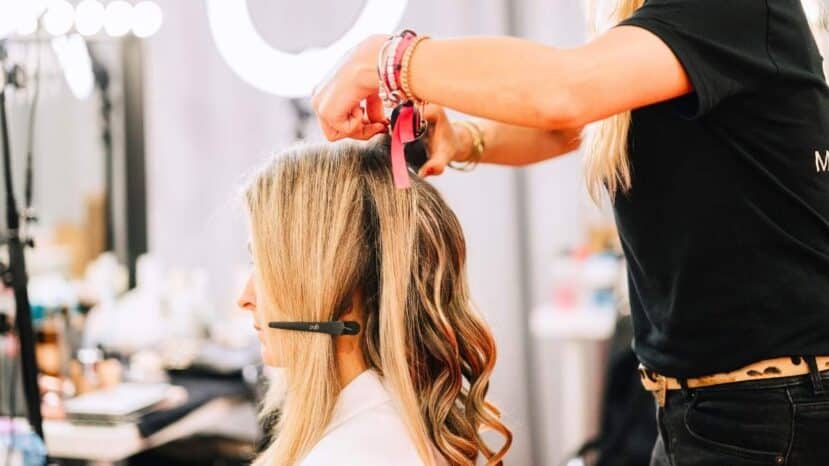
To adopt this style, the technique remains simple and accessible. Simply draw a parting down the middle or to the side, as you prefer. Then create loose waves with a straightening iron or wide curler.
Take care to leave the ends straight for a modern, up-to-date effect. A quick brushstroke loosens curls and gives them that natural movement. Finally, a veil of texturizing spray sets the result without stiffness.
This method delivers a chic result in just a few minutes. Whereas the chignon often required the help of a hairdresser, the wavy bob is easy to maintain on a daily basis. This practicality also explains its adoption by working royalty.
The trend marks a turning point in the hair history of European courts. Today’s citizens demand closeness, and this relaxed hairstyle is the answer. The wavy bob embodies this new era, where elegance rhymes with naturalness and spontaneity.