This Bulgarian seaside town is an open-air museum best visited in September
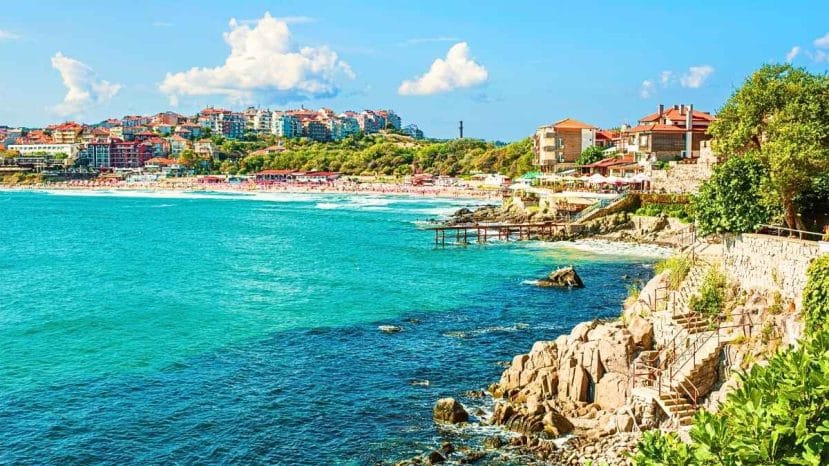


Picture a rocky peninsula lapped by the sea, where cobbled lanes wind between ancient fortifications and centuries-old chapels. This Bulgarian seaside town is Sozopol, and it deserves far more than a passing mention on a travel itinerary.
Sozopol, a Bulgarian seaside town with Greek roots
Founded as a Greek colony, Sozopol carries centuries of history within its walls. It sits on a rocky peninsula roughly 35 kilometres south of Burgas. That geographical position gives it a character all its own: you don’t stumble upon it by accident, you come here with the intention of travelling back in time.
This coastal town is considered one of the oldest in Bulgaria. Experts readily describe it as an open-air museum, and the label is entirely deserved. Walking its lanes, you pass fortifications that once protected the city, and come across churches and chapels that bear witness to a rich past. Every stone has a story to tell.
For visitors, that translates into a concrete, immersive experience. History here isn’t something you read about in a book, it’s something you walk through, touch, and breathe in along the cobblestone passages.
When to go to make the most of this seaside destination
Timing is everything when planning a stay in Sozopol. According to the Guide du Routard, June and September are the two most recommended months. Both allow you to sidestep the summer tourist rush while still enjoying weather warm enough for swimming.
September has an added bonus. The end of summer coincides with the Apollonia Festival, an event that brings a cultural dimension to any stay. For those who plan their trips well in advance, it’s a compelling reason to put Sozopol on the agenda for September 2026.
By choosing this window, travellers get a calmer seaside town without sacrificing either the sea or the cultural buzz. That balance is a rare find.
What to do around Sozopol
Beyond the town itself, the surrounding area offers a varied range of experiences. The Ropotamo Nature Reserve is an absolute must. Boat trips take you up the Ropotamo River through dense forests, sand dunes, and spectacular rock formations. It’s a natural interlude that contrasts beautifully with the town’s historic character.
- Strolling through the cobbled lanes of the old town
- Visiting the ancient fortifications and chapels
- Taking a boat trip along the Ropotamo River
- Exploring Ravadinovo Castle and its sweeping garden overlooking the lake
- Swimming in the sea and wandering around the fishing harbour
Ravadinovo Castle also draws plenty of visitors. Its vast garden, with a direct view over the lake, makes it a popular stop. It rounds out a visit to the seaside town nicely, offering another facet of the region’s heritage.
Ultimately, Sozopol is, above all, a town by the sea. Its fishing harbour, where boats bob gently in the water, is an invitation to slow down and take it all in. And swimming, of course, remains a given in a setting like this.
A seaside town where sea, nature, and heritage converge
What sets Sozopol apart from a run-of-the-mill beach resort is precisely this layering of experiences. On one side, the sea, the harbour, the beaches. On the other, an exceptional historical legacy for a town of its size. And all around, unspoilt nature in the form of the Ropotamo Reserve.
For travellers looking for a destination that amounts to more than a sun lounger and a cocktail, this Bulgarian seaside town ticks every box. It offers a rare density of experiences within a setting that remains, for all that, accessible and human in scale.
Planning a stay in Sozopol in September 2026 means choosing a seaside town at the crossroads of history, nature, and culture, far from the summer crowds, yet fully alive thanks to the Apollonia Festival.