
These hairs are already at the end of their life”: why you lose hair in the shower
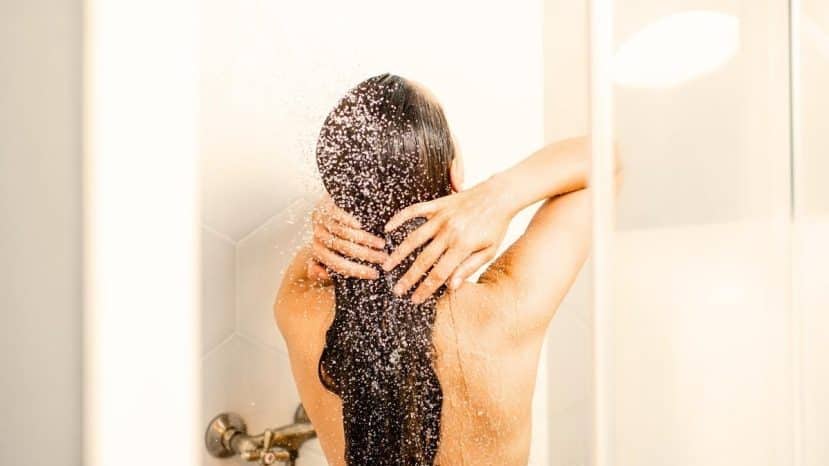


Every morning in the shower, the same scene plays out: strands pile up on the tiles or clog the drain, and anxiety sets in almost immediately. Losing hair in the shower is something many people experience as a warning sign, fearing abnormal shedding or a weakened scalp. Yet one dermatology expert has offered a definitive clarification that should put the vast majority of us at ease.
A natural phenomenon that shampooing does not cause
When we notice hair falling out during rinsing, the immediate instinct is to look for a culprit among our daily habits. Diet, stress, temperature changes, and how often we wash our hair all take turns in the dock. Yet José Carlos Moreno, professor of dermatology, is unequivocal: the hairs that fall out in the shower are already at the end of their life cycle. They would have shed regardless, whether during brushing or at any other point in the day.
That distinction changes everything. It means that losing hair in the shower is not a sign of an overly harsh shampoo or of washing too frequently. Cleansing simply accelerates a process already set in motion by the hair’s own biology. In other words, cutting back on shampooing would not help you keep more hair on your head.
On the contrary, the expert stresses a counterintuitive point: maintaining a regular, thorough hair-care routine is essential. Removing excess sebum and the impurities that build up on the scalp requires careful, frequent washing. Putting off shampooing in the hope of reducing shedding is therefore a strategy that is not only ineffective, but potentially counterproductive for scalp health.
How to wash your hair without weakening healthy strands
While natural shedding linked to the end of the hair cycle cannot be prevented, it is possible to avoid making things worse through poor technique. José Carlos Moreno offers specific recommendations, particularly for people with long hair.
- Wash hair in a vertical position, without piling it on top of the head, to minimise tangles.
- This reduces the risk of breakage when detangling after washing.
- Dry hair gently with a microfibre towel rather than rubbing it vigorously.
- Air-dry whenever possible to protect the hair fibre.
- If using a hair dryer, opt for a low heat setting and good airflow.
These steps may seem minor, but their impact on the condition of healthy hair is real. Piling hair on top of the head during washing, for example, creates friction and tangles that weaken strands that are still strong. Likewise, excessive heat when drying can cause deep damage to the hair fibre and increase breakage, which can give the impression of heavier shedding.
Losing hair in the shower: what it actually reveals
The question many people ask is: when should you actually start to worry? The source does not give a precise figure, but it sets out a clear framework. This phenomenon is natural and unavoidable: no routine, however perfect, can eliminate it entirely. What you can do, however, is avoid amplifying it through poor technique.
Losing hair in the shower becomes a problem not because of the washing itself, but when bad habits are layered on top of it. Excessive heat, rough detangling on wet hair, or tangles caused by poor positioning of the strands during rinsing are all factors that increase breakage in hair that is still healthy.
The goal, therefore, is not to wash less often, but to wash better. Adopting the right techniques – vertical positioning, a gentle towel, moderate heat – allows you to protect healthy hair while letting those that have completed their cycle shed naturally. It is this distinction, between natural shedding and avoidable breakage, that the expert encourages us to keep in mind every time we step into the shower.