Nivea officially apologises for the effects of its new anti-wrinkle serum


Receiving an apology from a brand for the compliments its product earns you is, to say the least, an unexpected situation. Yet that is exactly the bet Nivea dared to make in 2026, with a public statement that immediately set social media alight.
A serum born from 15 years of research at Nivea
Behind this bold move lies a serious innovation. The Cellular Epigenetics Sérum Ultime Jeunesse is the result of 15 years of work and the evaluation of 50,000 different active ingredients. A considerable investment that speaks to the brand’s ambition in the field of regenerating skincare.
At the heart of this formula is a brand-new ingredient called Epicelline®. Its role is to reactivate the skin cells’ youth functions, an approach that sets it apart from conventional anti-ageing products. The stated promise is clear: visibly firmer skin, a more youthful appearance, and signs of ageing that seem to fade from as early as 2 weeks of use.
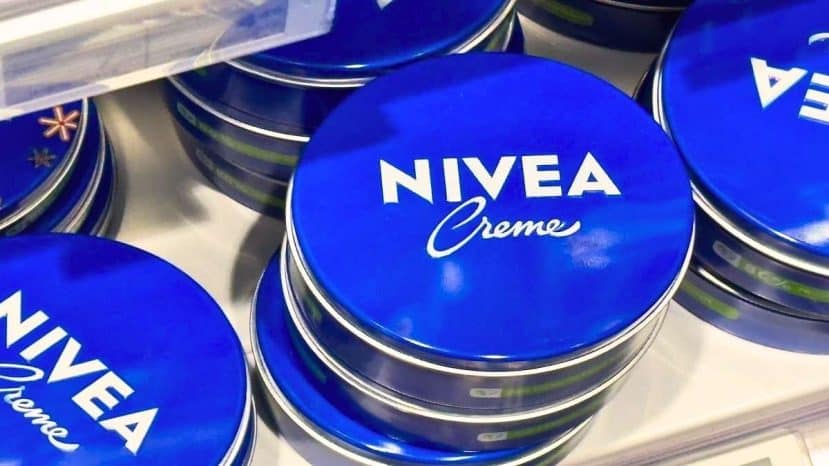
This launch is part of a broader momentum. For over 100 years, the brand has held a strong place with French consumers, driven by iconic products such as its blue cream. Yet it has never rested on its laurels: face care, body care, sun products, deodorants, the range keeps expanding to meet an ever-growing variety of needs.
What this new skincare product concretely promises
For anyone wanting to understand what this serum actually changes day to day, the announced results are specific. First, skin whose firmness improves in a visible way. Then, a more radiant complexion and a look that appears well-rested. Finally, a perceptible reduction in signs of ageing in just two weeks.
- Visibly firmer skin after regular use
- An ultra-radiant complexion, according to the brand’s claims
- A well-rested appearance from the very first weeks
- Signs of ageing reduced from 2 weeks onwards
- A brand-new ingredient, Epicelline®, to reactivate skin cells
These results clearly convinced consumers quickly, to the point of triggering unexpected stock shortages. A commercial success that itself fed into the brand’s communications strategy.
The apology letter: a masterclass in brand communication
On Instagram, Nivea published a rather surprising post: a letter in which it says it is sorry. Sorry for the smooth skin, the radiant complexion, the well-rested look, and the renewed youthfulness its serum is said to deliver. The brand goes further, also apologising for the repeated compliments received by users, the astonishment of those around them, and the stock shortages that followed the launch.
The tone chosen is one of deliberate self-deprecation. The brand acknowledges that these situations can be difficult to handle, while asserting that it will keep on causing them, because its customers’ skin deserves nothing less than the best. The message closes with a direct invitation to get hold of the product before it sells out again.
This kind of communication, which plays on humour and the staging of a positive problem, is rare in the skincare sector. By choosing to apologise for its product’s effectiveness rather than trumpeting its merits head-on, Nivea managed to capture the attention of an audience far beyond its usual followers. A positioning that reinforces both the serum’s credibility and the brand’s image among its loyal consumers.