This blonde shade genuinely takes years off your face after 60, according to an L’Oréal hairdresser
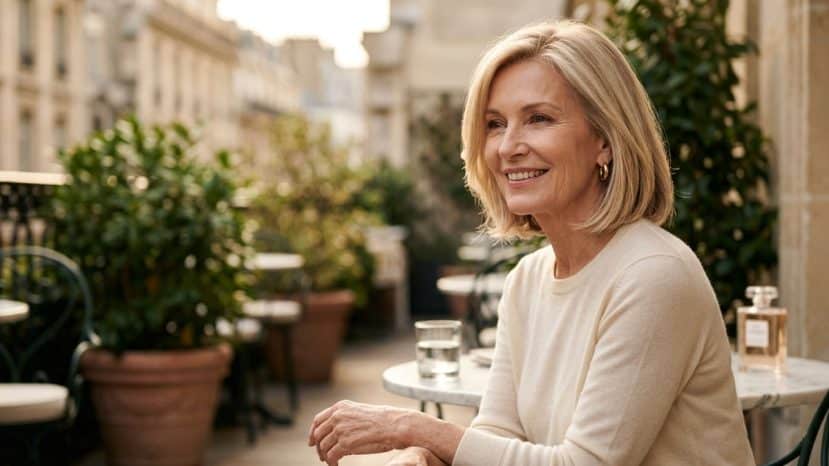


Going blonde after 60 can transform a face, soften features and bring a new radiance to the skin. Yet choosing the wrong shade has the opposite effect and can actually age you further. An expert L’Oréal Paris hairdresser shares his precise recommendations to help you avoid that pitfall.
Why your skin tone is the key factor when choosing your blonde
As the years go by, skin loses its glow, wrinkles deepen and a loss of firmness alters the contours of the face. In this context, hair colour is no longer just about covering grey: it becomes a genuine tool for brightening your complexion and looking younger. That is precisely why going blonde is so appealing past the age of 60.
Thomas Tuccinardi, hairdresser and international colour expert for L’Oréal Paris, points out that the lighter you go, the more illuminated your complexion becomes. But that general rule is not enough on its own. Not every blonde shade suits every skin tone, and it is often this criterion that gets overlooked when choosing a blonde colour in your sixties.
Matching the shade to your skin tone is therefore crucial if you want a result that genuinely takes years off, rather than a blonde that does the opposite.
The recommended shades for your skin type
For women with medium skin tones, the specialist steers towards golden-dominant blonde shades. He specifically mentions two at-home colour references from L’Oréal Paris: the Excellence Crème shade 7.3 golden blonde and the Préférence shade 7.3 golden blonde. These shades warm the complexion without creating a harsh contrast.
For women with olive skin tones, on the other hand, the hairdresser recommends darker blondes. He suggests the Excellence Crème shade 6 dark blonde or the Excellence Crème Universal Nudes shade 6U dark blonde. These shades respect the natural harmony between skin and hair, for a flattering and believable result.
For fair skin tones, Thomas Tuccinardi recommends very light highlights, a technique that should be done in a hair salon rather than at home. This is an important point: some transformations require a professional’s eye and hand to stay looking natural.
- Medium skin tones: opt for golden blondes such as 7.3
- Olive skin tones: go for dark blondes such as 6 or 6U
- Fair skin tones: keep very light highlights for a hair salon
- Originally dark brown hair: favour highlights over an all-over colour
- Originally blonde or chestnut hair: an all-over colour works perfectly
Highlights or all-over colour, depending on your natural hair colour
Skin tone is not the only factor to consider. Your natural hair colour, even if it is already largely grey, also plays a role in choosing the right colouring technique.
According to Thomas Tuccinardi, women whose hair was originally blonde or chestnut, whether light, medium or dark chestnut, can confidently go for an all-over colour. This type of base lends itself well to a full transformation and the result stays looking natural.
For hair that was originally dark brown, however, the hairdresser advises opting for highlights instead. This technique gradually lightens the hair and blends grey strands into the overall look without colouring every single hair. The finish is softer and more harmonious on this type of base.
A natural advantage of grey hair when going blonde
Women who already have a lot of grey hair benefit from an advantage that is often overlooked. As the colour expert points out, grey hair requires very little lightening to take on a blonde shade. It therefore takes to this type of colour far more easily.
This is a concrete and reassuring fact for anyone hesitating to make the leap. Going blonde after 60 does not necessarily mean aggressive bleaching. With the right products and the right shade matched to your skin tone, the transformation can be both gentle on the hair and genuinely flattering for the face. Taking the time to choose your shade carefully, factoring in both your complexion and your natural hair base, remains the best way to achieve the rejuvenating result you are looking for.