
A dietitian raises the alarm on bay leaves and cholesterol
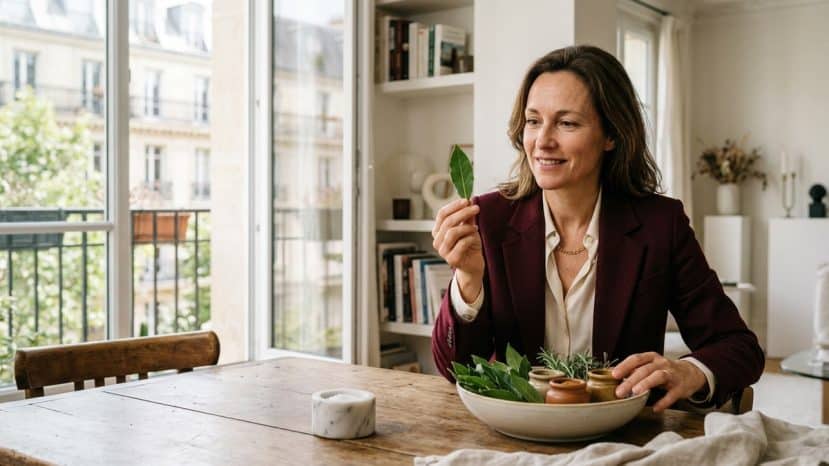


You may have a habit of dropping a bay leaf into your soups or stews without giving it much thought. But this everyday spice is attracting growing scientific interest, particularly for its potential role in managing cholesterol. An American dietitian recently took stock of what the research can actually tell us.
What scientists have discovered about bay leaves and cholesterol levels
Bay leaves contain plant compounds, particularly polyphenols and flavonoids, recognised for their antioxidant properties. Researchers are looking into their ability to influence how the body produces cholesterol. Other compounds found in the plant may also help limit oxidative stress, potentially contributing to a reduction in bad cholesterol levels.
A 2021 study published in the journal Antioxidants is among the work that has fuelled this interest. Those findings opened a promising avenue, but they do not, on their own, constitute sufficient proof to conclude that a beneficial effect has been established.
Evidence still too limited to draw firm conclusions
Morgan Pearson, an American dietitian, reviewed the state of the evidence in an article published on Very Well Health in August 2026. Her assessment is clear: research on bay leaves is still in its early stages. The vast majority of available data comes from laboratory experiments or animal studies, not from human trials.
The few existing clinical studies have several weaknesses. They involve small groups of participants, run over short periods, and have methodological limitations. As a result, it remains impossible to determine whether bay leaves produce a reliable and reproducible effect on cholesterol reduction in humans. Larger, long-term studies are therefore essential before any solid conclusions can be drawn.
Bay leaf supplements: proceed with caution
Capitalising on the buzz, some manufacturers now offer dietary supplements made from bay leaf. Morgan Pearson warns against a common misconception: using bay leaves in cooking is a perfectly safe practice, but supplements are an entirely different matter.
These products can contain far higher concentrations of active compounds than the amounts typically used to flavour a dish. Their long-term safety has not been clearly established to date. The dietitian therefore recommends consulting a healthcare professional before considering adding this type of supplement to your routine.
Proven methods for maintaining healthy cholesterol levels
Rather than banking on unconfirmed solutions, Morgan Pearson highlights the approaches with demonstrated effectiveness for keeping cholesterol at a healthy level. These are built around three concrete pillars.
- Adopting a heart-healthy diet
- Exercising regularly
- Quitting smoking
- Consulting a healthcare professional before taking dietary supplements
These recommendations are backed by solid evidence, unlike the effects of bay leaves on cholesterol, which remain to be confirmed. Until more robust studies emerge, bay leaves are best kept in the kitchen, not the medicine cabinet.