This 240-person village in Occitanie is nicknamed the Mont Saint-Michel of the Pyrenees
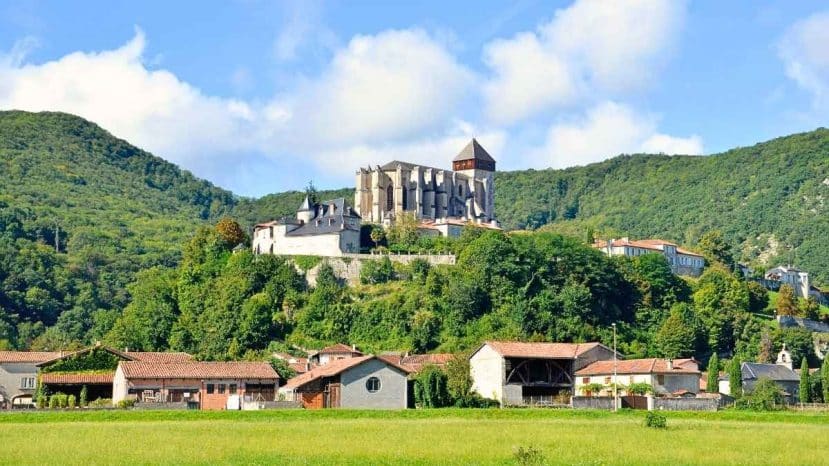


Perched high in Haute-Garonne, this 240-person village in Occitanie draws visitors from around the world every year, lured by a heritage that few communes of this size can claim. Saint-Bertrand-de-Comminges, nicknamed the Mont Saint-Michel of the Pyrenees, rises above the plains and offers a direct view of the Pyrenean mountain range.
A Gallo-Roman legacy buried beneath the cobblestones of this Occitanie village
Before you even look up at the cathedral, history reveals itself underfoot. The village was built on the site of Lugdunum Convenae, one of the most significant Gallo-Roman cities in the Pyrenees, founded around 72 BC. Thermal baths, a forum and a theatre are all open to visitors, and excavations are still ongoing today.
This ancient past lends the walk an uncommon depth. Within just a few steps, you move from a well-preserved medieval alleyway to a Roman ruin, making Saint-Bertrand-de-Comminges as much a living archaeological site as it is an inhabited village. The Pyrénées 31 website underscores the historical significance of this former city within the region.
The ramparts and medieval gateways framing the narrow streets reinforce the feeling of moving through several eras at once. This village in Occitanie, listed among the Plus Beaux Villages de France, seems frozen in time, and that is precisely what makes it so compelling.
The Cathédrale Sainte-Marie, a UNESCO-listed gem
At the top of the village, the Cathédrale Sainte-Marie commands a presence that far exceeds the size of the settlement around it. Its listing as a UNESCO World Heritage Site is no accident: it houses carved choir stalls from the 16th century, considered the finest in the entire country, as well as a monumental Renaissance organ.
These two elements alone make the journey worthwhile. The choir stalls, with their extraordinary craftsmanship and remarkable state of preservation, stand as an exceptional testament to the artisanal skill of the era. The organ, meanwhile, is a reminder that this place of worship was far more than a simple village church, it was a major religious and cultural centre.
The cathedral’s belvedere also offers a sweeping panorama of the mountain range, and the sunsets from this vantage point are described as unforgettable. It is from here that the nickname Mont Saint-Michel of the Pyrenees truly makes sense.
What to eat and how to get around in this Occitanie village
- Poule au Pot, the unmissable local gastronomic speciality
- Fromage de Barousse, a cheese rooted in the Pyrenean terroir
- Mountain lamb, another essential of the local table
- The Via Garona walking trail for exploring the region on foot
- The véloroute de la Garonne for cycling enthusiasts
Beyond its built heritage, this village in Occitanie also offers a gastronomic experience deeply rooted in its landscape. The local specialities reflect the richness of the Pyrenean terroir and give visitors another way to extend their stay beyond admiring ancient stonework.
For those who want to immerse themselves further in the scenery, the Via Garona trail and the véloroute de la Garonne offer two distinct ways to explore the region. Both routes allow you to appreciate the natural setting in which the village sits, caught between open plains and mountain peaks.
A stop on the Camino de Santiago
Saint-Bertrand-de-Comminges also holds a special place in the world of pilgrimage. This village in Occitanie is a recognised stop on the routes leading to Santiago de Compostela, which regularly draws pilgrims making their way towards Spain.
This spiritual dimension adds yet another layer to a visit here. The village is not simply a tourist site frozen in its own beauty: it remains a living place, passed through by walkers carrying a centuries-old tradition. For anyone visiting in 2026, this particular atmosphere makes the experience genuinely hard to forget.
Across just a few hectares, this small village in Haute-Garonne concentrates a density of heritage, natural landscape and gastronomy that few villages in Occitanie can match. Every corner holds a surprise, whether Roman, medieval or simply culinary.